
Table olives
Maçanilha Algarvia, picked hard and green in October, cracked, watered for ten days and then left in brine until February. No lye, so they keep a bite of bitterness.
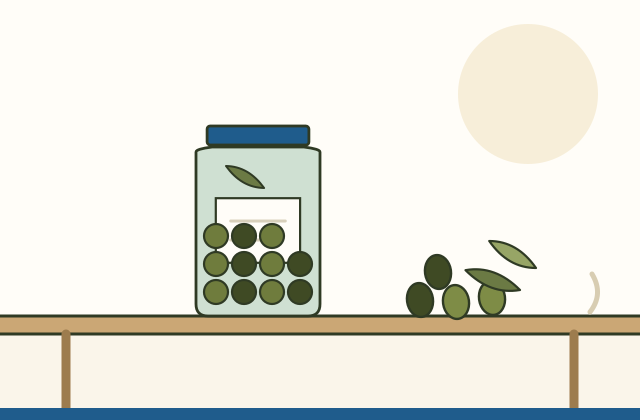
What is in the jar
Olives, water, salt, and a few aromatics: a bay leaf, a strip of lemon peel, a little oregano off the bank behind the beds, and a piece of garlic. No lye, no additive, no colouring agent.
The variety is Maçanilha Algarvia, which is the local table olive here and is not much use for oil. Twelve trees, picked hard and green in the second half of October, before the fruit has started to turn.
How they are cured
Each olive is cracked with a stone or the flat of a knife, enough to split the flesh without smashing the stone. Then into fresh water, with the water changed every day for about ten days. That is what takes the oleuropein out, which is the compound that makes a raw olive genuinely inedible rather than merely unpleasant.
After the water, into a ten per cent brine with the aromatics, and then time. They are edible after about six weeks and they are properly good after four months, which is why the October pick becomes a February jar. The full home version is written up in the note on curing olives at home.
The commercial alternative is a lye cure, which takes days instead of months and produces the uniformly mild olive most people know. It works and there is nothing wrong with it. It also takes out most of what makes an olive taste of anything.
What they taste like
Firm, salty, and still slightly bitter at the finish. That last bit is deliberate and it is the main way these differ from a jar of supermarket green olives. If you have only ever eaten lye cured olives, these will taste more assertive and more like the fruit they came from.
What they are good with
- On their own with a glass of something before dinner, which is what they are for.
- Warmed for two minutes with a strip of orange peel and a spoon of our oil.
- Chopped into a bread dough.
- Not in a delicate cooked dish. They are too strong and they will take it over.
How long they keep
Twelve months unopened, in the brine, somewhere cool and dark. Once open, keep them in the fridge, keep the olives under the brine, and eat them within about three weeks. If the brine goes cloudy or smells wrong, throw it out. A white film on the surface is a harmless yeast and can be lifted off, but if you are unsure, do not eat them.
How to order
There is no checkout on this site. Send us an email saying what you would like and how many, and we will reply with a total including postage and how to pay. Orders go out on Tuesdays.
Email hello@nossoparaiso.com, or use the form on the contact page if that is easier.
Minimum order is six jars or bottles, mixed however you like. Postage within mainland Portugal is 6.50 euros for up to six, 9.00 euros for up to twelve. Mainland EU is 18.00 euros for up to six and 26.00 for up to twelve. We do not ship outside the EU. Full detail is on the questions page.
Availability
One cure a year. The October 2025 pick has been in brine since then and has been in jars since February. There are usually 120 to 160 jars a year and they last until the following autumn, more or less. The next cure starts in October 2026 and those jars will be ready in February 2027.
Where to next
Cracking, water changes, brine strength and timing.
All 96 trees, and which twelve are for the table.
The other half of the olive year.